Retro gamebook adventure for short, choice-driven playthroughs
Sword Daughter by Hanabira turns a 1980s fantasy gamebook into a retro-style visual novel adventure. You read scenes as Tyrna, choose paths, resolve encounters through decision points, manage consequences, and follow branching lines that alter her fate across short sessions. The title presents a licensed retro tone and compact design aimed at repeat play for nostalgia. It targets fans of gamebooks and visual novels seeking brief, choice-heavy runs with replay value.
What kind of game is Daughter?
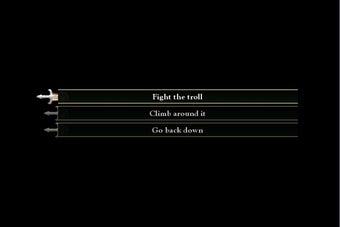
The game adapts the 1980s Dragon Roads series into a narrative-first experience where you play Tyrna after an orc raid upends her caravan. Play consists of reading passages and making consequential choices that determine the path forward. The setting emphasizes survival, moral dilemmas, and investigation of the aftermath rather than open exploration, so the player's motivation is investigative and reactive rather than mission-driven.
Does it have a multiplayer mode and how do decisions matter?
The title is a single-player visual novel adventure focused on branching choices rather than cooperative play. Decisions direct story branches that lead to divergent scenes and outcomes, and the design keeps interactions compact so each playthrough moves quickly. Players who prefer decision-focused loops see immediate consequences; however, reviewers note the mechanics are simpler compared with many modern visual novels, which affects depth of mechanical systems.
What does the game look and sound like?
The presentation leans deliberately toward a retro fantasy aesthetic and storytelling style, with writing and atmosphere at the forefront. The build uses the Ren'Py engine and supports desktop platforms, which keeps resource demands modest. Technical notes
- Compatible with macOS 10.6 or higher
- Also available for Windows and Linux
How long does it take to finish and is it replayable?
The core experience is short per run but designed around replay. Multiple story paths and consequences produce a catalogue of endings to uncover, which encourages repeated sessions rather than a single long campaign. Players can explore different narrative threads across attempts, and the structure rewards decision exploration: the short-session format supports sampling many outcomes without long time investment.
In summary, a compact pick best suited to readers of classic gamebooks
Daughter is a nostalgic choice for players who enjoy quick, choice-driven storytelling across multiple runs, anchored in licensed 1980s source material. Players seeking deep mechanical systems or multiplayer engagement may find the design deliberately simple, a point noted in reception. For those who want short narrative experiments and to explore many endings, it offers satisfying replay without long sessions.